
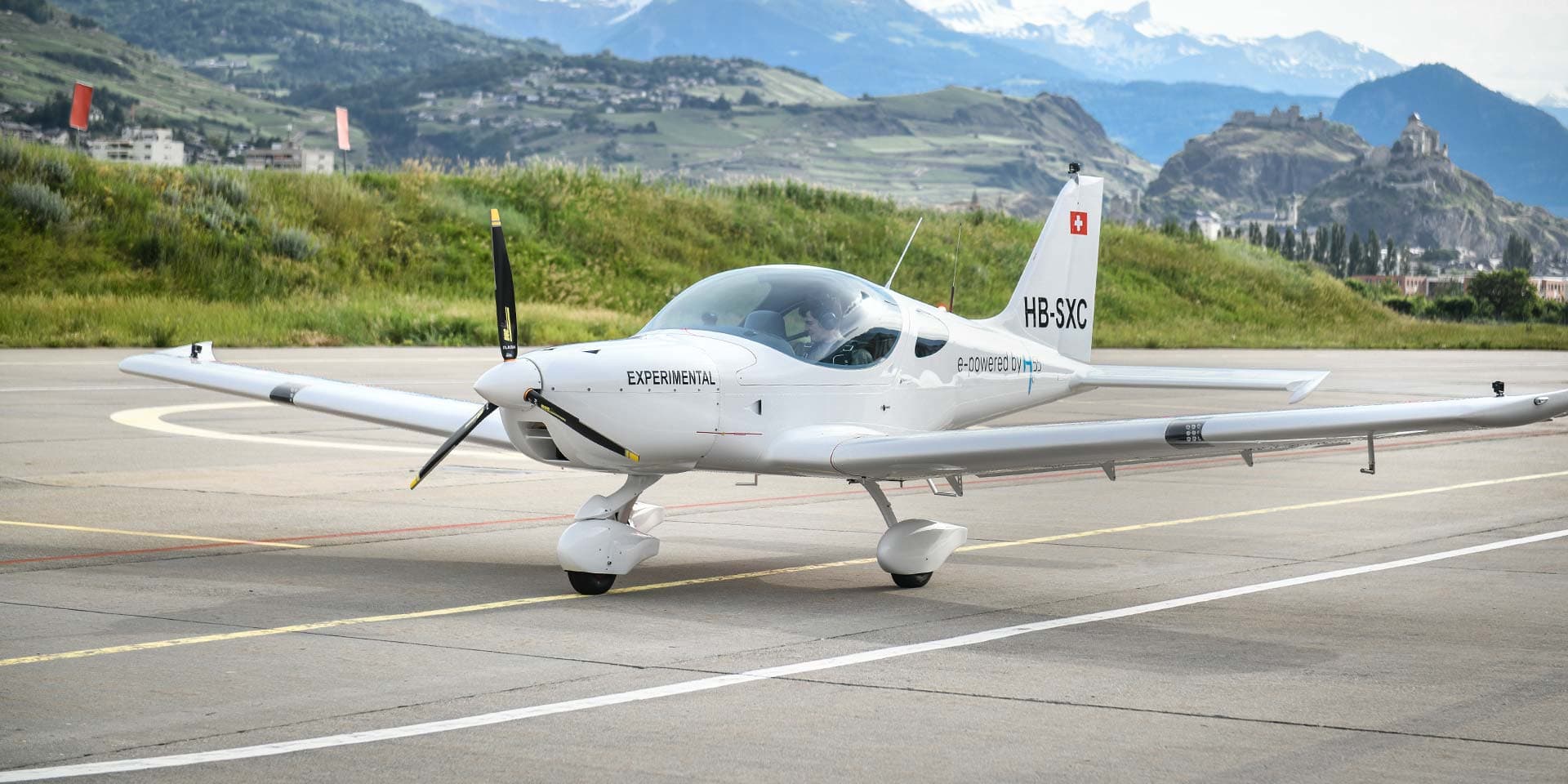
Bristell Energic
Silent.
Zero-emission.
Bristell’s all-electric aircraft, developed with H55: a 100 kW motor, 49 kWh of batteries, and about $7 of electricity per flight hour.
110 KTAS
Max cruise speed
100 kW
Electric motor
6 circuits
Per charge
Zero emission
In flight
Overview
The future of flight training, today.
Built by BRM Aero and powered by H55, the electric propulsion and battery specialist, the Bristell Energic is a fully electric, two-seat trainer. 49 kWh of lithium batteries in two redundant packs feed a 100 kW motor for silent, zero-emission flight, with energy at roughly $7 per flight hour. A standard mission covers six school circuits, a one-hour flight school programme with 30 minutes reserve at cruise power: purpose-built to cut the cost and the carbon of pilot training.
About
Flying, reimagined as electric.
Open the throttle and the Energic simply goes quiet and pulls. With no engine vibration and no exhaust, the 100 kW electric motor delivers smooth, instant power and a calm cabin from the first takeoff roll. The two-seat layout and a 51-inch (130 cm) cabin give an instructor and student room to work side by side, with state of charge and power always in view.
It is built for the work a flight school does every day. A single one-hour charge covers six school circuits, a one-hour flight school programme with 30 minutes reserve at cruise power, and the electricity for that hour lands around $7 at 20 cents per kWh. Quiet, clean and far cheaper to fuel than a piston trainer, the Energic turns routine training into zero-emission flying.
Highlights
Built around electric flight.
From the H55 powertrain and its two redundant battery packs to a glass panel with live energy readouts, every detail is built for low-cost, low-noise training flight.
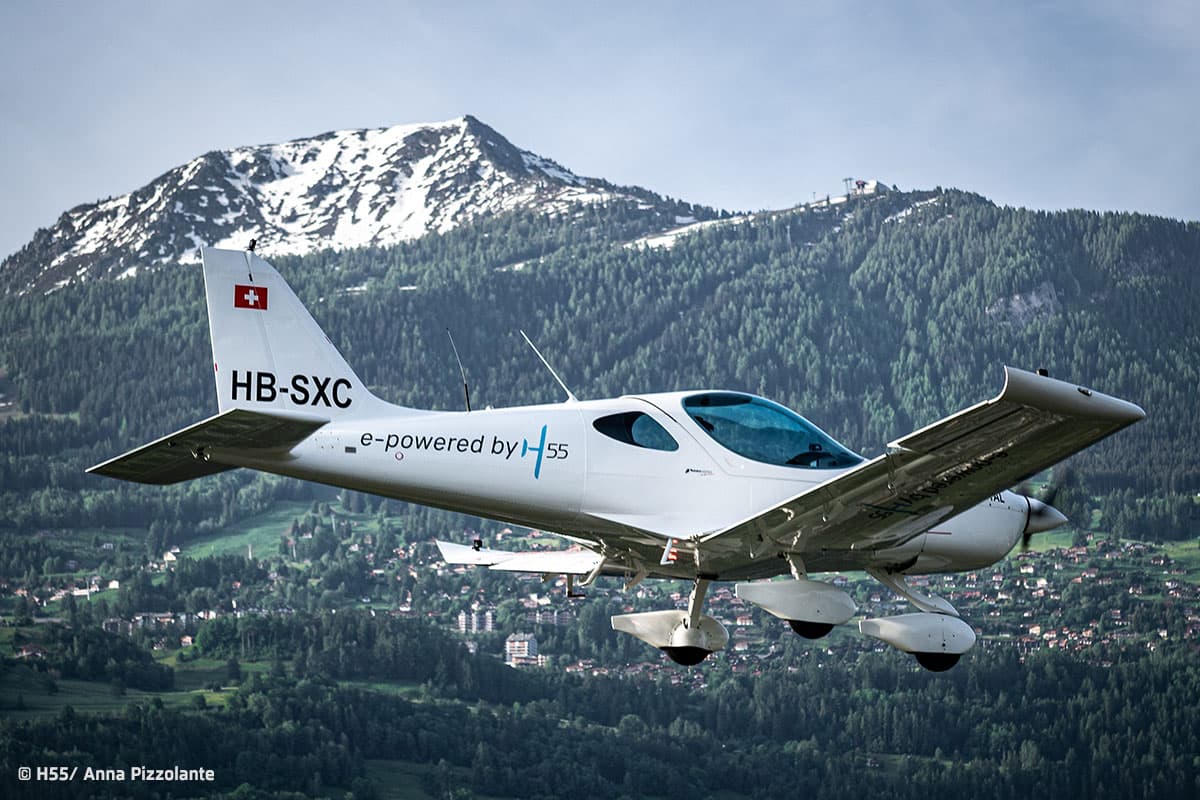
Powered by H55
100 kW electric motor and 49 kWh of lithium batteries in two redundant packs, engineered by H55.
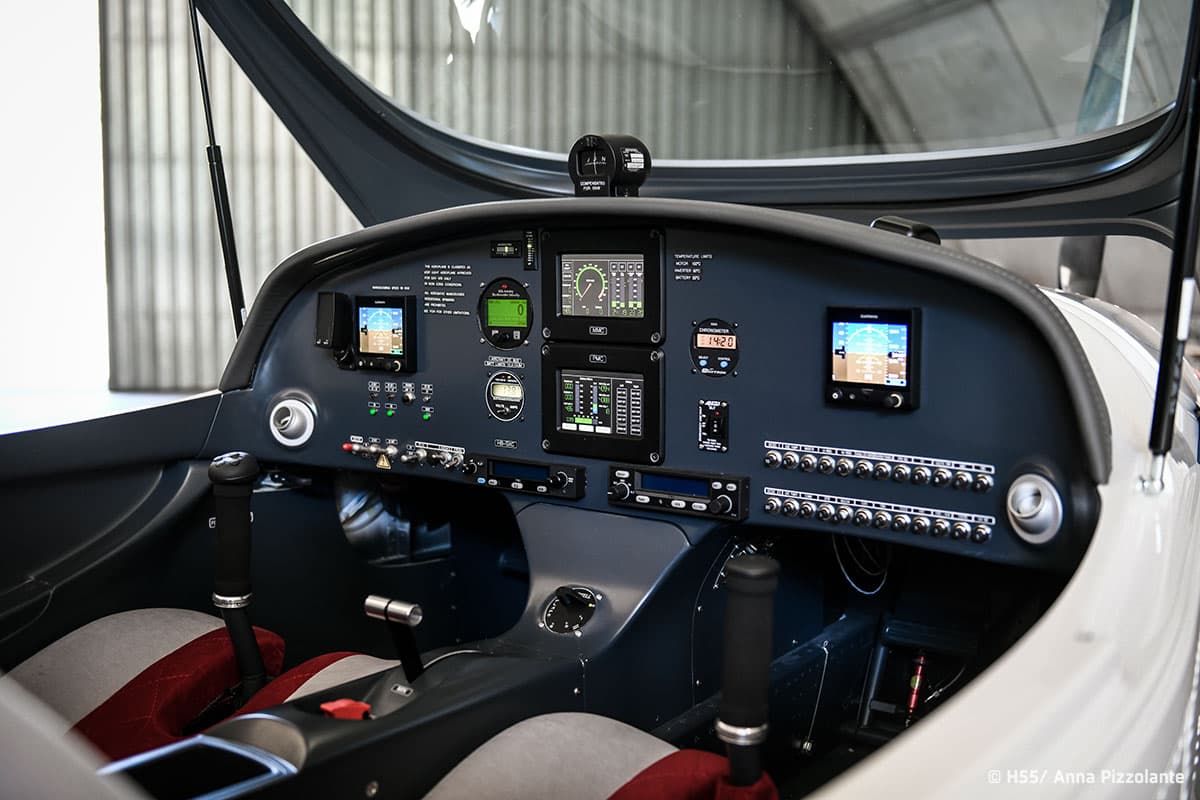
Glass cockpit
Dual Garmin G5 flight displays with dedicated motor and energy readouts, GNC 225A radio and GTX 345R transponder.
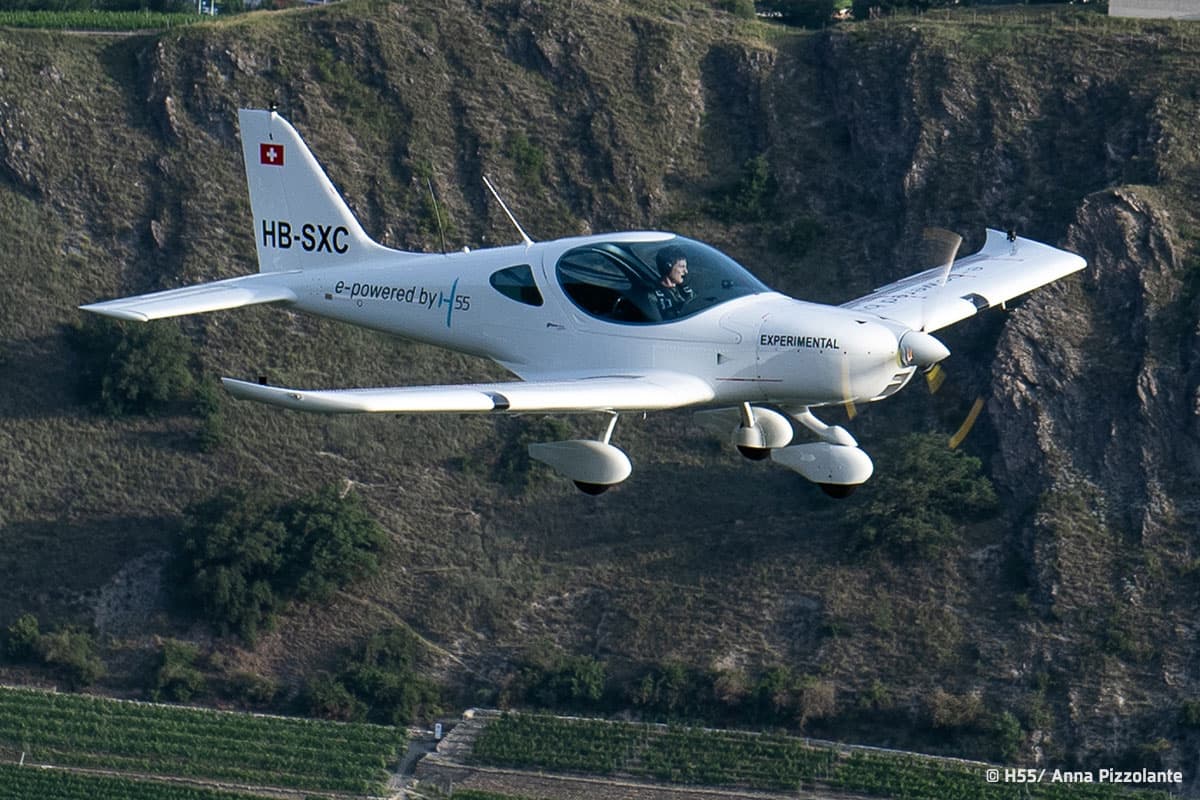
Near-silent flight
No combustion, no exhaust, just a quiet electric hum. Lower noise footprint for the airfield and a calmer cabin.
Certified electric propeller
A DUC Hélices 3-blade certified propeller, matched to the H55 powertrain for efficient, repeatable performance.
$7 per flight hour
Bristell puts the electricity for a one-hour flight at about $7, assuming 20 cents per kWh — a fraction of what Avgas costs.
Two redundant battery packs
Two independent battery packs and a liquid-cooled drivetrain, designed for the demands of a flight school.
Interior
A quiet, modern cockpit.
Dual Garmin G5 displays sit alongside dedicated motor and energy readouts, so state of charge and power are always in view. With no engine noise, the cabin stays calm, and every Energic is trimmed to order: your materials, your colors.
The 51-inch cabin (130 cm) gives an instructor and student real room to work, and the wide bubble canopy keeps visibility open all around. It is a quiet, focused place to fly lesson after lesson.
Performance
The numbers that matter.
Figures on the H55 electric powertrain: a standard mission covers six school circuits, a one-hour programme with 30 minutes reserve at cruise power.
A strong 800 ft/min climb and a 110 KTAS cruise give the Energic the performance a training syllabus needs, while about $7 of electricity per flight hour keeps every lesson affordable.
0KTAS
Max cruise speed
0ft/min
Rate of climb
0circuits
Per charge
0kW
Motor power
Technical Specifications
Every detail, on record.
Dimensions, weights, performance and electric powertrain figures for the Energic as the programme stands today.
Dimensions
- Wingspan
- 30 ft 5 in (9.27 m)
- Length
- 21 ft 7 in (6.58 m)
- Height
- 7 ft 9 in (2.36 m)
- Cabin width
- 51.2 in (130 cm)
Weights & Capacity
- Max take-off weight
- 1,874 lbs (850 kg)
- Payload
- 419 lbs (190 kg)
- Seats
- 2
Performance
- Max cruise speed (at MCP)
- 110 KTAS (200 km/h)
- Stall speed
- 45 kts (87 km/h), prototype
- Rate of climb
- 800 ft/min
- Standard mission
- 6 circuits · 1 h + 30 min reserve
- Electric energy cost
- ~$7 per 1-hour flight (at 20 ¢/kWh)
Powertrain
- Type
- Electric (H55)
- Peak power
- 100 kW
- Continuous power
- 80 kW
- Battery
- 49 kWh lithium-ion
- Battery packs
- 2, permanently installed (redundant)
- Charging time
- ~1 hour
- Cooling
- Liquid-cooled
- Propeller
- DUC Hélices 3-blade
Avionics
- Dual Garmin G5 flight displays
- Garmin GNC 225A radio
- Garmin GTX 345R transponder with GPS
- Garmin GI 260 angle of attack indicator
- Dual H55 motor & energy display
Safety & Equipment
- Two independent battery packs (redundant)
- Liquid-cooled powertrain
- Real-time state-of-charge monitoring
- Wide bubble canopy for all-round visibility
- Zero exhaust and CO₂ in flight
- Near-silent, low-noise operation
Aircraft in development
The Energic is in active development and is not yet available to buy. The figures on this page are prototype and programme values — Bristell has not published a final specification for the Energic, and every number here is subject to change as the programme matures. Talk to us if you would like to follow it or explore it for your flight school.
Gallery
From every angle.
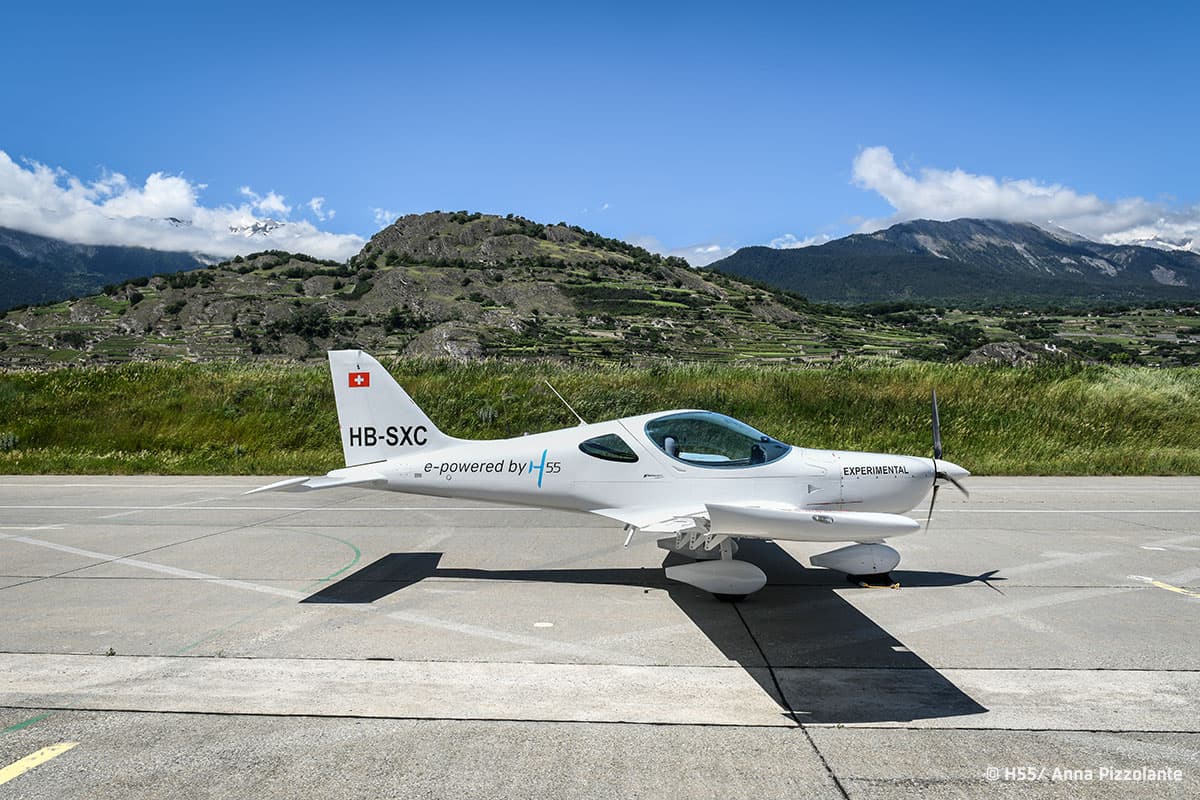
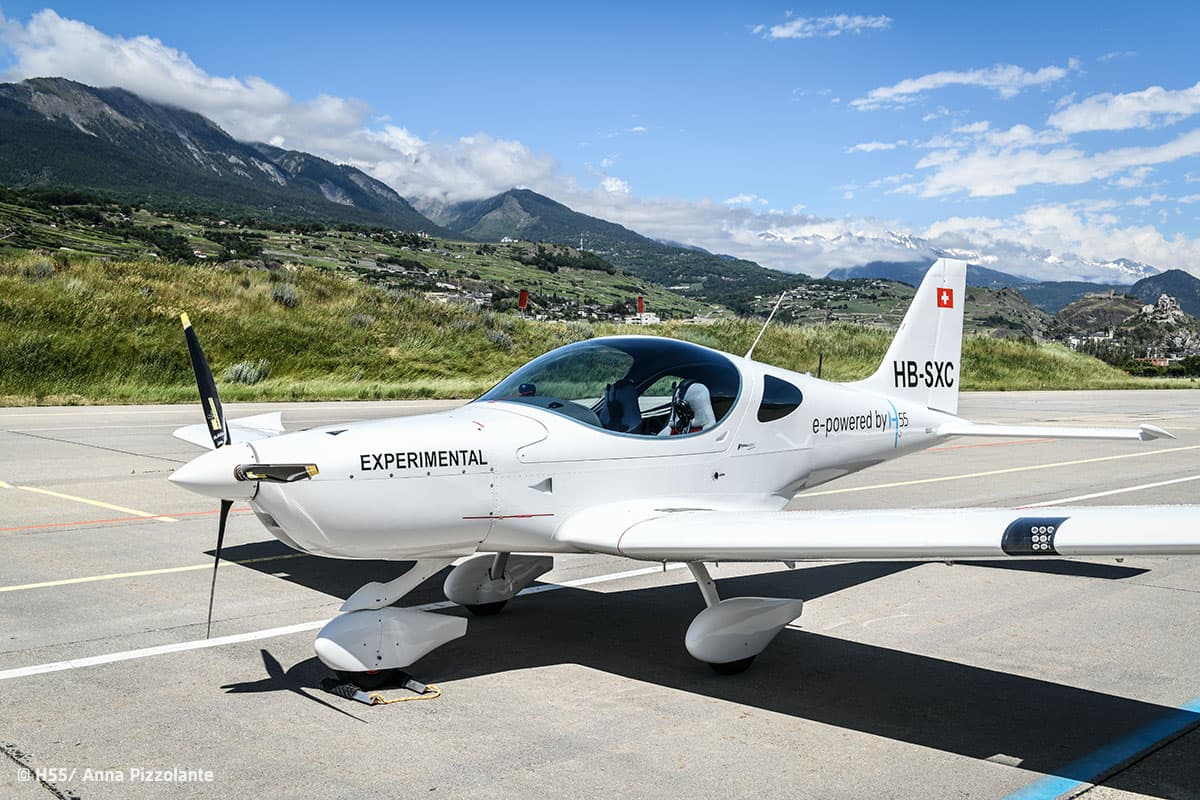
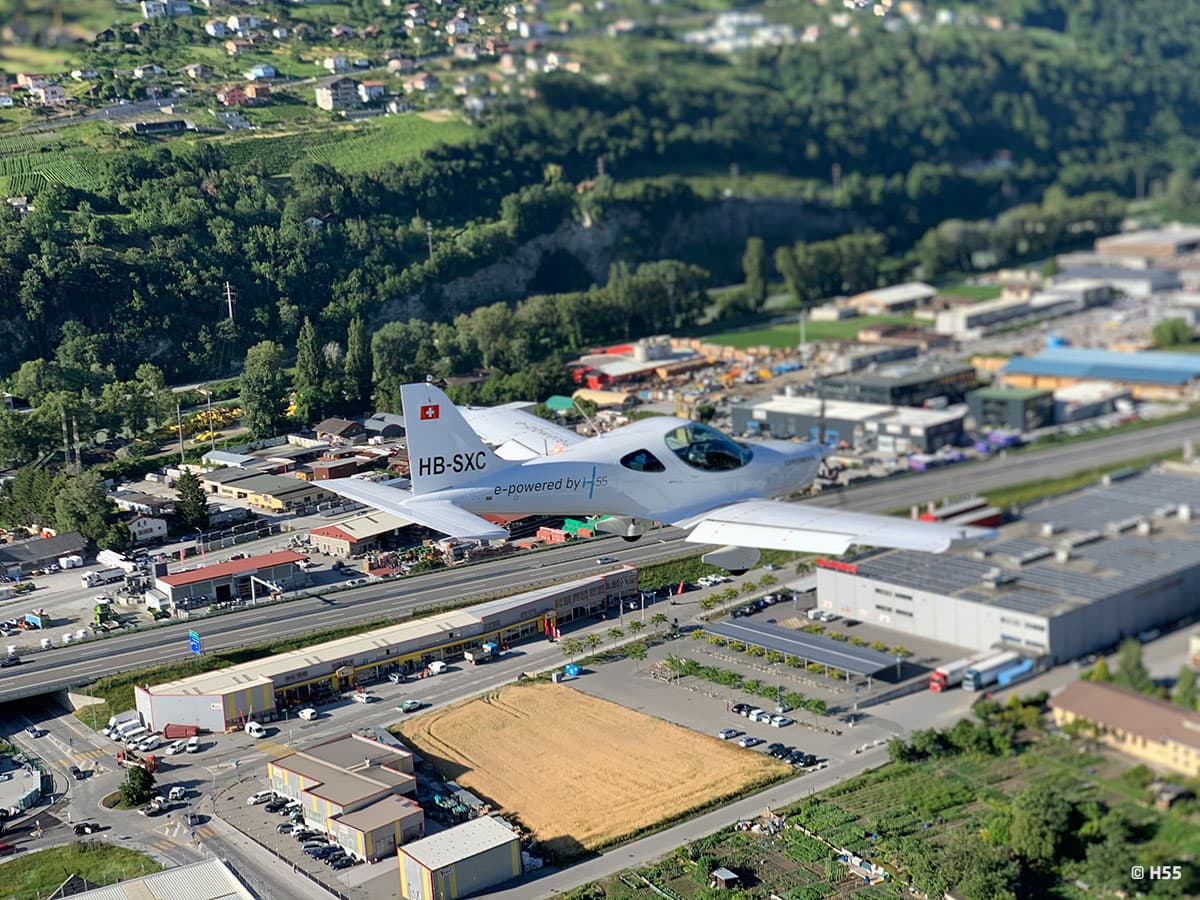
A closer look at the Energic in its element, photographed in flight across the Swiss Alps and on the airfield.
Bristell Energic
Your Energic starts here.
Fly it before you buy it, book a demo flight, or start building your own configuration today.
Starting from $499,000 · final price depends on configuration